Lomo Instant review

LomoInstant-BannerLomography’s Lomo’Instant is the most advanced instant camera yet, and the result of a crowdfunded Kickstarter campaign.

With the rise of the selfie and concerns over cloud storage of digital snaps, Polaroid-esque instant cameras have made something of a comeback. This model from analogue camera expert Lomography is the latest version to hit the shops, but what sets it apart from the others?

The Lomo’Instant offers far more control than you get with any other instant camera, including a selection of removable lenses, different shooting modes, aperture control and the ability to take multiple exposures.

The first models went out to Kickstarter backers in October, and the Lomo’Instant is now available to everyone.

Lomo’Instant – Design and Handling

The Lomo’Instant sports a pleasingly retro design, although the box-like design means that it’s rather bulky. With the exception of the incredibly cool Fujifilm Instax Mini 90, instant cameras in recent years have tended to feature slightly ugly, uninspiring designs, but the Lomo’Instant is cool and blocky.

The camera sports a similar faux-leather covering to the Lomography Lomokino and Belair models, and is available in black or white. There’s also a model that’s covered real brown leather with a slightly higher price tag of £109. We like the white version best, as its shows off the minimalist design more, but the finish is rather prone to picking up marks and scuffs, and there’s no protective case available to keep it in.

The only accessory that is available – aside from the optional lenses which we’ll look at in more detail later – is a shoulder strap (£8.90), which is good news as it makes the hefty camera slightly less cumbersome.

As with most Lomography cameras, physical controls are kept to a minimum, but these all feel well placed and intuitive.

Lomo’Instant – Controls and Features

The key control that you’ll need to get to grips with is the mode switch, which enables you to choose between having the flash on, off or on auto, where a sensor will automatically set the flash to the most suitable level based on the ambient light…

You can read the rest of the article at TrustedReviews (originally published 23 November 2014).

Why we need more smartwatches designed for women

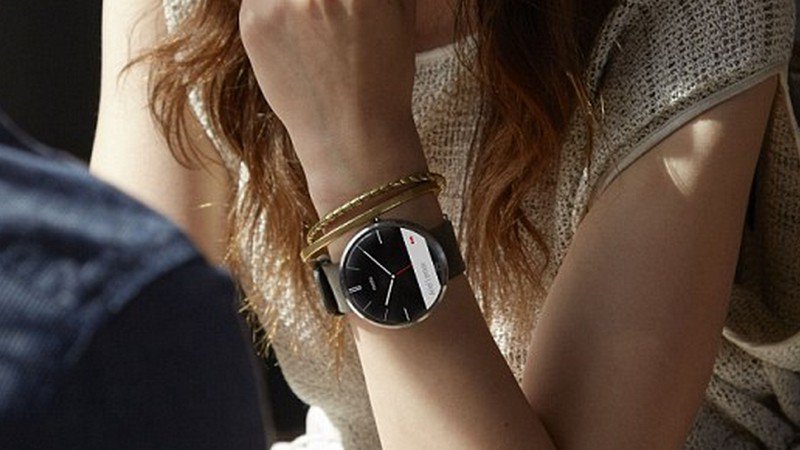
1128-4085d82021ac12c8436778dee217bb51While a lot of smartwatches claim to be unisex, most of them are clearly geared towards men – something that becomes obvious when you see how comically large they look when worn by women.

This isn’t a complete surprise, as smartwatch technology is still relatively new and men traditionally make up the bulk of early adopters.

However, according to Ofcom’s 2013 Omnibus Survey, a whopping 48% of smartphone users are female, so if smartwatch makers ignore them then they’re effectively ignoring almost half of their potential buyers.

And with recent Juniper Research data telling us that there will be 100 million smartwatch users worldwide by the end of 2019, brands need to take note.

Russell Feldman, YouGov’s director of technology and telecoms, explained: “Wearables are set to grow markedly over the next 18 months. Presently only early adopters own them but as the range of products expand, more consumers will come on board.

“The market will reach its first critical mass over the next year-or so, moving it from niche to more mainstream. So the next wave of wearable owners will be the key group for device manufacturers, retailers and ecosystem partners.”

sueueueueu-1413819551-ZqfY-full-width-inline

While smartwatches are tipped to take off in a big way in the near future, most of the products we’ve seen so far from major tech brands have been ugly as hell. They’re certainly improving – step forward Moto 360 and LG G Watch R – but there’s still some way to go.

What we need to see is more fashion brands and traditional watch makers like Casio, Swatch and Omega getting on board, with designs that look like watches and not what how tech brands thing they should look (usually, chunky, rectangular and absolutely massive). We’ve already seen a few nods in the smart direction, like Casio’s Bluetooth-enabled G-Shock, but not really any true smartwatches.

Obviously style is an important issue for 21st century gent, just as it is for the ladies, but with most tech products designed for men first, the makers need to address this…

You can read the rest of the article at Wareable (originally published 20 October 2014).

Wearables in space

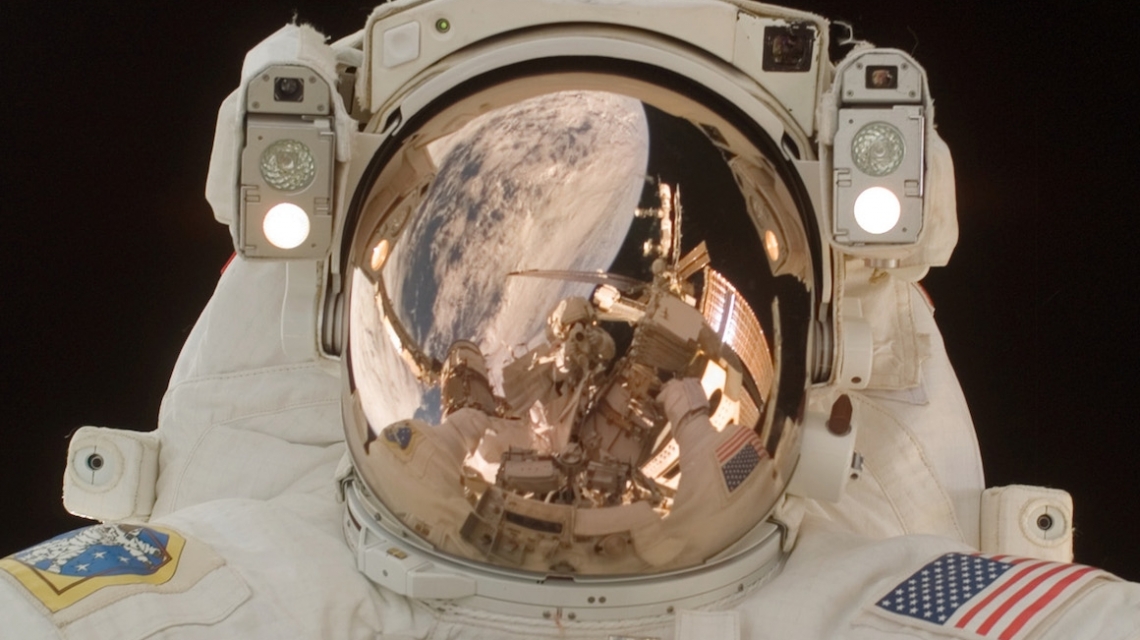
Space selfie by Japanese astronaut Akihiko Hoshide

Space selfie by Japanese astronaut Akihiko Hoshide

From the famous Mercury Seven astronauts to the spacemen and women on the ISS, what these pioneers wear is absolutely critical when it comes to coping with life at Zero-G.

Much of the technology that Nasa develops for space flight eventually makes it into the products that we all use here on Earth, but what about wearables in space? We’ve pulled together some of the space-aged kit that astronauts wear in space and a few things they might wear in future…

Space watch

timex-datalink-1411757481-HsMx-column-width-inline

While the first watch to make it into space was a Sturmanskie, worn by cosmonaut Yuri Gagarin, the official watch of the Apollo moon landings was the Omega Speedmaster. But it was the Timex Datalink that was arguably the first smartwatch in space as it was also the very first watch capable of downloading information from a computer.

Made in conjunction with Microsoft, the watch has been approved by Nasa for space travel and has been worn by many astronauts since, but the Speedmaster remains the only watch certified for spacewalks.

Health monitoring

google-glass-1411757529-05z3-column-width-inline

Wearable health monitors have been a big part of human spaceflight from the start, with all of the Mercury, Gemini and Apollo astronauts wearing biosensors ranging from a belt-like harness to a full biosuit comprising heart rate, body temperature and blood pressure monitors.

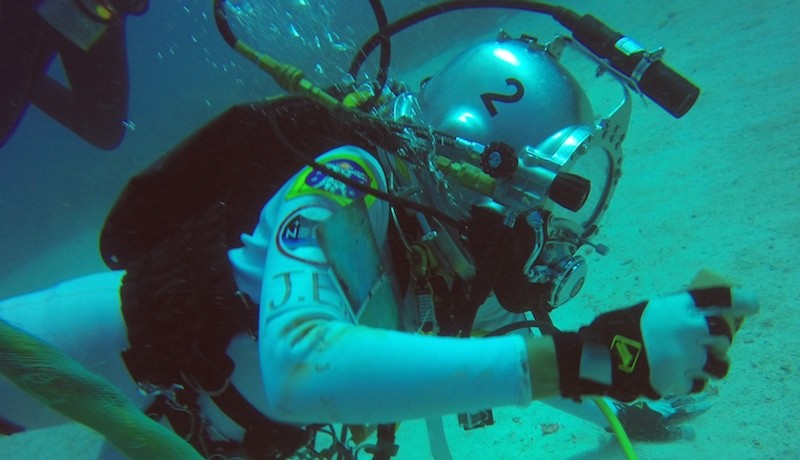
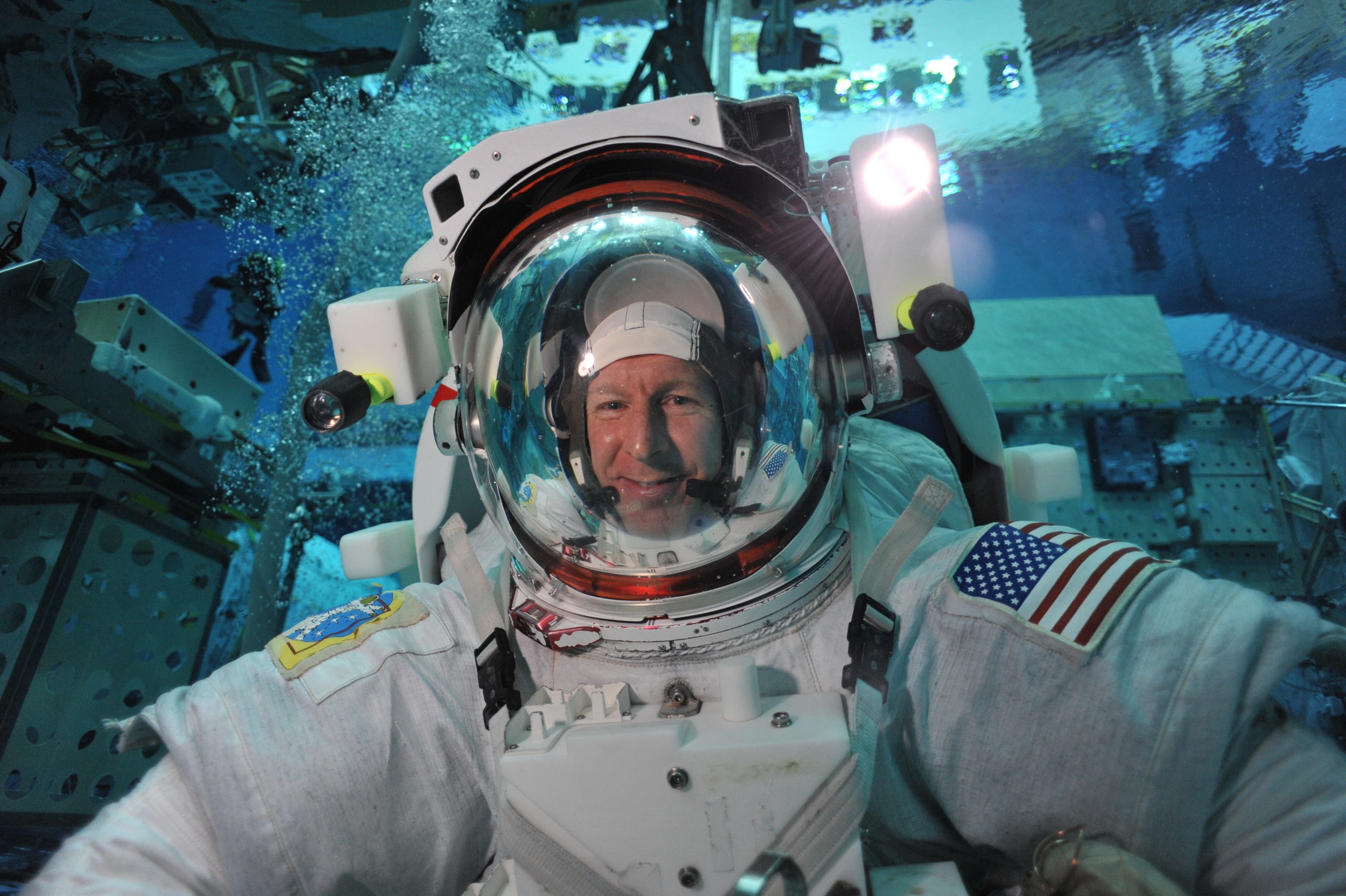
Nasa recently tested out Google Glass and Bluetooth heart rate monitors during simulated space walks on its Neemo (Nasa Extreme Environment Mission Operations) underwater facility for potential use on the ISS in future.

GoPro

Space selfie by Japanese astronaut Akihiko Hoshide

Space selfie by Japanese astronaut Akihiko Hoshide

Action cam specialist GoPro was named ‘official on-board camera of Nasa’ in 2011. Used by astronauts on the International Space Station (ISS), and famously by Felix Baumgartner in his epic space jump, the brand’s Hero 3 is compatible with a huge selection of mounts, ideal for keeping the action steady in zero gravity.

This spectacular selfie was above was snapped outside the ISS by Japanese astronaut Akihiko Hoshide…

You can read the rest of the article at Wareable (originally published 28 September 2014).

The Great British Take-Off: Brits in Space

Major-Tim-Peake-Britains--007

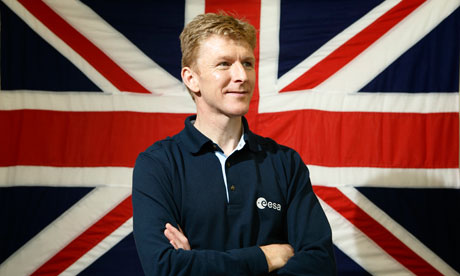
ESA astronaut Tim Peake

Next year Tim Peake, a former Major in the British Army Air Corps, will be Britain’s first official astronaut to make it into space. Selected by the European Space Agency (ESA), Peake will fly to the International Space Station (ISS) where he’ll spend six months carrying out experiments on the ESA’s Columbus laboratory module.

While he’ll be our first official astronaut, he won’t be the first Briton in space – that honour goes to Helen Sharman, a chemist who was selected from 13,000 hopefuls for Project Juno – a joint mission between the Soviet Union and a consortium of British companies in 1991. Sharman was also the first woman aboard the Mir space station.

A handful of Brits – albeit ones with American citizenship – flew missions aboard Nasa’s space shuttle programme before its retirement in 2011, while two other astronauts with dual nationality took self-funded flights on the Russian Soyuz. Bizarrely, English soprano Sarah Brightman is in training for a privately funded seat aboard the Soyuz in 2015.

However, Peake is the first to boldly go where just a handful of Brits have gone before as part of an official astronaut corps and is due to blast off on Soyuz TMA-19M in November 2015 as part of Expedition 46, alongside Russian Commander Yuri Malenchenko and Nasa’s Timothy Kopra.

As a home-grown space adventurer, clearly Peake has the potential to become something of a celebrity, in a similar vein to Canadian astronaut Chris Hadfield (@Cmdr_Hadfield), whose Tweets from the ISS managed to captivate the Twitterverse and make being an astronaut look like just about the best thing in the world (and beyond).

Peake has already made a great start as poster boy for the British space contingent on Twitter (@astro_timpeake) and Flickr and he hasn’t even left the planet yet.

Naturally, we’re all hoping that the ESA has already been in touch with David Bowie to enable Peake to do a rendition of Space Oddity on the ISS, just as Hadfield did. However, he’s already cast doubt on our dreams, quipping:

“I do play the guitar, but very badly, and I wouldn’t inflict my singing on anybody.”

Come on, Tim!

While he might not be blessing us with his vocal talents (or lack thereof) any time soon, Peake has teamed up with maverick chef Heston Blumenthal to launch the Great British Space Dinner – a competition to invent a “tasty meal with a hint of Britishness” to offer a cosy slice of home while he’s on the space station.????????????????????????????????

And while we’re on the subject of taste, it’s no secret that Lavazza recently unveiled the first coffee machine designed for use in space – the superbly named ISSpresso – which will make its way to the ISS in November 2014. But wouldn’t Brit Peake prefer a nice cup of tea?

The Sussex-born spaceman sets the record straight:

“Tea in the morning, and a cup of coffee at 11 o’clock”.

He didn’t say what biscuits he prefers with his cuppa, but his quintessentially British precision when it comes to hot beverage timetables is admirable.

Space-friendly coffee machines aside, the list of innovations that filter through from space exploration programmes to consumers is, well, astronomical.

From new ways of improving commercial flight safety and superconductors that enable lower cost MRI scanners, to producing more realistic terrains in video games and making your car seats more comfy – it’s almost certain that you will have benefitted from these advances in some way.

Nasa estimates that over the last ten years alone, its spinoff innovations have created 18,000 jobs, reduced costs by $4.9bn, generated $5.1bn and saved 444,000 lives.

But if spaceflight is so beneficial to us down on Earth, then why has the UK never made any plans to put together a British astronaut corps? As you can probably guess, it all comes down to cost – with a manned spaceflight programme deemed prohibitively expensive for our frugal country’s wallet.

However, while the UK Space Agency doesn’t have its own crew of astronauts, it is a member of the ESA, providing a rather modest 6% of the European collective’s budget (although it doesn’t supply any direct funding for the ISS).Tim Peake

Further adding to Blighty’s space credentials, the UK Space Agency recently announced the eight coastal locations – six of which are in Scotland – that are under consideration to become the UK’s first spaceport. Due to open by 2018, the first site would provide a base for satellite launches as well as defence and military applications. It could also provide a lift-off point for space tourism companies like Richard Branson’s Virgin Galactic.

Of all the suggested sites, my personal preference for a ‘local’ spaceport would have to be Glasgow Prestwick Airport, purely as it was the only place where Elvis Presley ever set foot in the UK thanks to a refueling stop en route from his army service in Germany. Just imagine the crossover merchandise possibilities in the gift shop.

In the meantime, Tim Peake will be flying the flag for the UK, and hopefully learning the chords to Space Oddity, if only because the lyric “Ground control to Major Tim…” is simply too good to waste.

Let’s all raise our bone china teacups to the Great British Take-Off.

This article was originally published on 17 July 2014 on The Huffington Post UK.

Buran: The forgotten Soviet space shuttle

Buran HPIt’s been just over two years since Nasa mothballed the Space Shuttle, but did you know that the Soviet Union built an almost identical shuttle known as Buran?

Development on Buran (‘snowstorm’ in Russian) started in 1974, primarily for defence purposes in response to the perceived military threat posed by the United States’ shuttle programme.

With the US winning the race to put the first man on the moon, it’s easy to forget that it was the Soviet Union that managed to get the first man into space (although Yuri Gagarin beat Alan Shepard by just a matter of weeks).

In 1963, the USSR’s Valentina Tereshkova became the first woman in space – a milestone which, wasn’t met by the US until 1983, courtesy of the late Sally Ride. However, with Buran, it was the Americans that led the way, with the Soviets following their lead.

The Buran, superficially at least, was practically identical to Nasa‘s shuttle, almost certainly as a result of Cold War espionage. Having said that, the US didn’t make things particularly difficult for the KGB – all of the technology that went into the space shuttle programme was, inexplicably, unclassified and open to anyone.

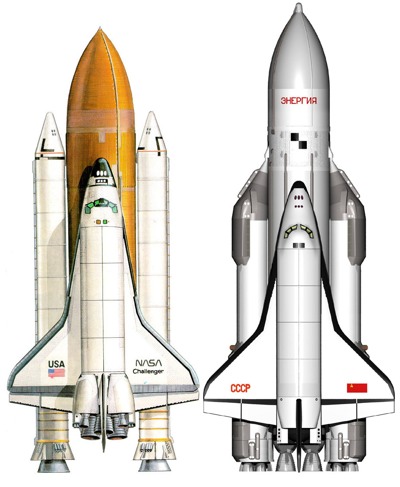
The ‘shared’ data from the US meant that Buran was very similar to the American vehicle in terms of size and shape. However, with a strong heritage in space flight, the Soviets had also been working on a form of reusable space plane as far back as the 1960s, so they also had plenty of their own homegrown tech to deploy for Buran. The main difference was that Buran’s main engines were housed in the standalone Energia launch vehicle, rather than on the shuttle itself.

STS-Buran-petitThe propellant used in both the boosters and the shuttles’ manoeuvring systems was also different, and the thermal protection tiles were laid out differently on the two vehicles. The Buran was designed with an automatic landing system, which was only later fitted (and never used) on Nasa’s shuttle as a precautionary measure. The Soviet shuttle was designed to take a maximum crew of ten, as opposed to the space shuttle’s seven and crucially, the Soviet version was fitted with ejector seats.

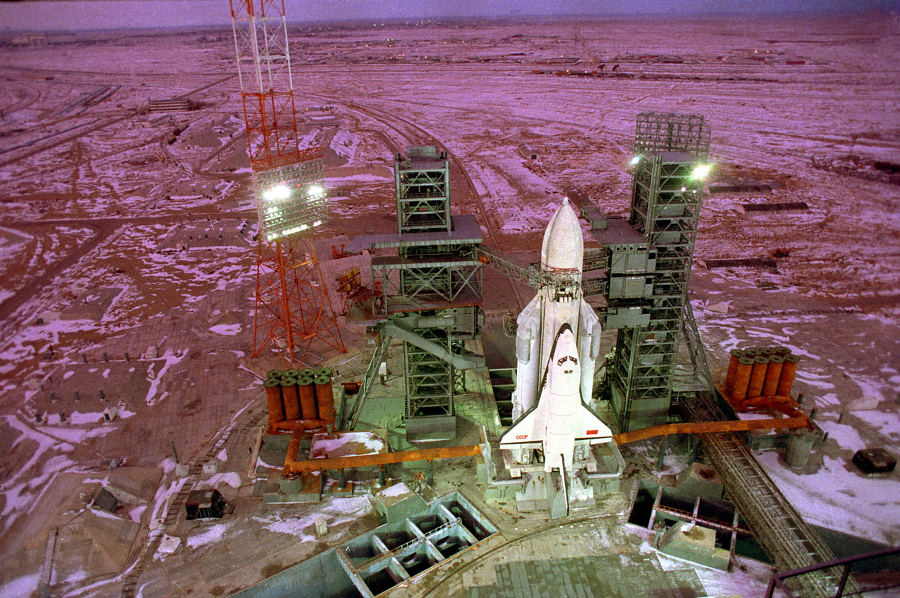
The USSR built a total of eight test models and five production models and on 15 November 1988, the first flight-ready Buran shuttle was launched from the famous Baikonur Cosmodrome in Kazakhstan. Although the flight was unmanned, the shuttle spent three hours in space and made two orbits of the Earth before landing safely.

The timing of the Buran’s 1988 maiden flight was unfortunate. With Mikhail Gorbachev’s Glasnost and Perestroika reforms in full swing, the Soviet Union was crumbling, with the fall of the Berlin Wall only a year away. The state and its economy eventually collapsed in 1991, with the Buran programme being officially cancelled in 1993 by President Boris Yeltsin, a year before the first planned flight with a crew on board.

While the US may have won the shuttle race, with the programme ceased after 30 years of service, US astronauts have had to hitch lifts to the International Space Station (ISS)aboard Russian Soyuz spacecraft – at around $63million a seat.

While both the Buran, and the more successful Space Shuttle both led to technical advances for their respective space agencies, many of which are now in commercial use, the orbiters themselves now live out their days as museum exhibits.

Buran_Launchpad_12_medNasa’s four remaining shuttles (including test vehicle Enterprise) are spread out at various museums across the US. Sadly, the only Buran that actually made it to space – OK-1K1 – was destroyed in a hangar collapse in 2002.

Test vehicle OK-GL1 is displayed at the Technik Museum Speyer in Germany, while another test unit is displayed in Moscow’s Gorky Park, serving as a tourist attraction and a relic of the Soviet era.

Having made it my mission to see all of Nasa’s decommissioned space shuttles – I’ve already ticked off Enterprise, Discovery and Columbia (the last of which I saw on the launch pad ten years before its tragic demise) – Buran has now been added to the list. Next stop, Gorky Park.

For some great images, head over to russianspaceweb.com and buran.su

This article was originally published on 30 July 2013 on The Huffington Post UK.

Are the people of Seoul worried about the nuclear threat from North Korea?

Huff Post SeoulGoing on a press trip to Seoul just days after North Korean autocrat Kim Jong-Un threatened to carry out nuclear attacks on South Korea, Japan and the US wasn’t exactly ideal timing.

But after bombarding the poor PR company in charge of the trip with a barrage of questions, placating worried parents and notifying the Foreign and Commonwealth Office of my travel plans, I flew out to Gangnam with a group of UK tech journalists.

While spending much of our time checking out LG’s latest innovations and being shown the sights of Seoul, it was hard to ignore the heightened tensions with the neighbour state.

The annual military exercises that take place between the US and South Korean forces around this time always tend to raise tensions, with North Korea viewing the training drills as a practice run for invasion.

However, this year the verbal response from the north of the peninsula has stepped up a gear, with a “state of war” being declared.

It was feared that North Korea may take the 101st birthday of the founding father Kim Il Sung as an opportunity for its threatened missile launch or perhaps something more sinister. However, the anniversary came and went without incident, except for some isolated protests in Seoul where South Korean activists burnt effigies of the Kim family in the streets.

With Seoul only an hour or two’s drive away from the border, are the inhabitants of the densely populated metropolis worried about an imminent nuclear missile strike from their neighbours? Not a bit, it would seem.

Obviously it would be unwise for the South Korean government to ignore the rhetoric from Pyongyang, with defence minister Kim Kwan-Jin stating that Seoul is fully prepared for an attack. However, while the authorities are acting with due caution, the general population of Seoul appears to be paying the young despot’s threats very little heed indeed.

It would probably be fair to say that the news of YouTube sensation Psy’s follow-up single to Gangnam Style has generated more buzz here than the bellicose threats from the fledgling dictator. You can hear the Korean rapper’s work being played constantly in bars and shops across the city and we were also treated to his new video several times by our hosts. There are even Gangnam Style socks for sale in the tourist-trap souvenir shops (yes, reader, I bought them).

Questions about the current tensions on the peninsula are generally met by the locals with a friendly chuckle and a reassurance that we’ll be perfectly safe.

While US President Obama and South Korean President Park Geun-hye are due to meet in Washington DC on 7 May to hammer out a solution, the local population in Seoul appears to be astoundingly nonplussed about the threats, having heard a lot of the same in the past.

Writing in the Korea Times, columnist Donald Kirk said:

On the streets of Seoul, no one is talking about war or looking for bomb shelters. Armageddon, Koreans believe, is not at hand. The mood is all for peace and dialogue. The question remains where, how, on what terms and to what end.

Kirk hits the nail on the head. The city is as busy as you’d expect a bustling conurbation to be. In fact, many of the streets are currently lined with strings of colourful lanterns to celebrate the 2,576th birthday of Buddha on 17 May while the blooming cherry blossom trees add an extra dash of defiant cheerfulness.

Tourist hotspots, such as Gyeongbokgung Palace are still very busy, although, most of the tourists there appear to be Korean and Chinese, with very few Westerners around. We were told that foreign visitor numbers are down since last year, most likely as a result of the ongoing tensions.

City nightlife still appears to be in full swing, although US soldiers stationed in South Korea are currently on curfew, cutting the number of Westerners out on the streets late at night.

There is no visible military presence in central Seoul at all, although we did spot a lone army helicopter hovering above the city. It wasn’t until we ventured to Paju, just 16km from the border that we spotted soldiers at a South Korean army base. Most of the tiny guard huts running along the length of the border appeared to be empty – we only spotted one that was manned.

Our tour guide compared the country’s current situation to that in Germany before the fall of the Berlin Wall – in the sense of a country temporarily divided. Rather than concentrating on the current tensions and expecting another Korean war, there is much talk of inevitable reunification in the not-too-distant future.

In the meantime, the good folk of Seoul carry on with their daily lives. Maybe if Kim Jong-Un uploaded a record-breaking YouTube video with a memorable dance routine, they’d take more notice of his increasingly desperate attempts to cement his place in history.

This article was originally published on 22 April 2013 on The Huffington Post UK.

Stricter gun laws for the US?

Huffington Post gun control blog postAnother day, another school shooting. Suspected gunman Adam Lanza, is said to have shot dead 18 children and six adults at Sandy Hook Elementary school in Newtown, Connecticut, as well as his mother and then, somewhat predictably, himself.

It’s the third large-scale shooting in the US in 2012 – twelve people were killed in a cinema in Aurora, Colorado in July 2012 and six people were gunned down at a Sikh temple in Wisconsin in August.

The list of  major gun attacks in the US, including the Virginia Tech massacre in 2007 when 32 people were shot dead, is disturbingly long.

Every time one of these tragedies happens, the US Government and media are outraged, mournful, and extremely vocal about introducing legislation to stop it from happening again, but nothing ever happens.

The second that there’s any mention of a sensible crackdown on ownership and regulation of weapons, the gun evangelists point everyone towards their precious Second Amendment, which is clearly more important to them than slaughtered children.

Forming part of the Bill of Rights, the Second Amendment to the US Constitution states:

“A well regulated Militia, being necessary to the security of a free State, the right of the people to keep and bear Arms, shall not be infringed”.

Adopted in 1791, just a few years after the American War of Independence, the amendment was of its time – written to ensure that the American people could defend themselves against the British and any other enemies. It wasn’t intended to enable a disgruntled, mentally unstable individual to legally buy guns with ease and kill with alacrity during times of peace.

Times change, and so too has the context of the original Amendment. Let’s not forget that the Bill of Rights itself originally only applied to white men, with women, native Americans and African Americans left out of the party until Amendments further down the line.

I’m British and I live in the UK, so why do I even have an opinion on American gun control? Well, I have family on the other side of the pond and  my brother is a naturalised American. I’d like to think that they live in a country where any murderous oaf can’t just waltz into a Walmart and stock up on guns and ammunition. Sadly, that’s not the case.

On one visit to the US, we did a National Rifle Association of America shooting course, so I have a qualification from the NRA stating that I know how to load and fire a semi-automatic handgun. Preposterous, I know, but true.

As the only Brits in the room, we were also the only ones who’d never fired a gun before. I was amazed that we were just able to walk in and handle a gun – no police record check or anything.

To be fair, the trainers were excellent, with a refreshingly responsible attitude to guns. As well as mocking their own organisation’s quaint insistence on referring to guns euphemistically as “firearms”, rather than “weapons”, our instructor also told us that if any of us were thinking of getting a gun for home protection then that would be a extremely foolish.

“Get a Louisville Slugger instead”, he said (that’s a baseball bat, to the Brits). Making this training course mandatory for gun owners would certainly be a step in the right direction.

Second AmendmentAnyway, what the hell do we know about gun massacres in the UK? Unfortunatley, a fair bit.

In 1987, when Michael Ryan used several legally owned guns to kill 16 people (including his mother) and injure a further 15 bystanders in the notorious Hungerford Massacre, the Government immediately took steps to change the law.

As a result, the Firearms Amendment Act 1988 banned ownership of semi-automatic rifles and restricted the use of shotguns with a capacity of more than three rounds.

In 1996, when gunman Thomas Hamilton went into a school in Dunblane, Scotland and shot dead 16 pupils and a teacher, the nation was outraged. Which is precisely why there was only minimal opposition when the Government took steps to implement the Firearms Amendment Act 1997, effectively banning private ownership of handguns in the UK.

As a result, we have a very low number of gun-related deaths on UK soil compared to the USA.

Speaking in the aftermath of the Sandy Hook shooting, President Obama said: “Our hearts are broken” and added “We’re going to have to come together and take meaningful action to prevent more tragedies like this, regardless of the politics”.

A strong statement, and no doubt that a visibly upset Obama was expressing genuine sentiment, but as a political statement of intent, they’re just words.

I don’t wish to seem opportunistic,  but this latest tragedy provides an ideal chance for the debate on gun control to move forward. However, as things stand, it’s highly unlikely that any significant changes to gun ownership laws will make it through Congress.

“Today is not the day to engage in a policy debate about gun control”, said White House press secretary Jay Carney on the events at Sandy Hook. To which I say, yes it bloody well is.

This article was originally published on 15 December 2012 on The Huffington Post UK.

Interesting reading:

The gun control that works: no guns. – The Economist

Newtown and the madness of guns – The New Yorker

Why gun rights matter – Conservative Daily News

Neil Armstrong 1930-2012

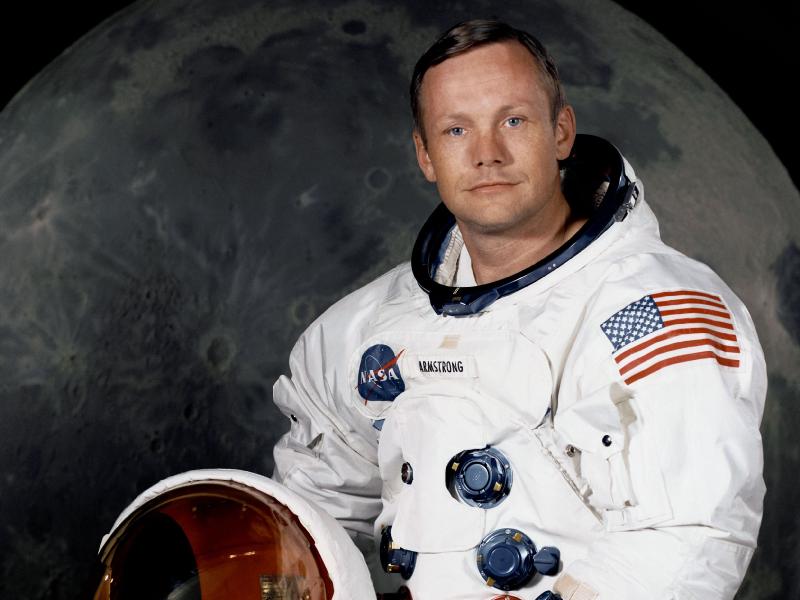
Neil ArmstrongWhen I heard the sad news of Neil Armsrong’s death via NBC‘s Twitter feed, it really hit home that the only generation to have walked on the moon won’t be with us forever.

Many of the elite Apollo astronauts, including first American in space Alan Shephard, have already departed and only two of the Mercury Seven – immortalised in the 1983 biopic The Right Stuff – survive (although John Glenn continues to bat a cracking innings at the age of 91 and even managed to get into the record books as the oldest person in space when he flew on the space shuttle at the age of 77, as well as being the only individual to fly in both the Mercury and shuttle programmes. What a life!).

Even relative youngster and first American woman in space Sally Ride passed away a short time ago. Sad times indeed.

If we ignore the crackpot conspiracy theorists who claim that it was all an elaborate hoax (as, thankfully, the scientific world does), the moon landing in 1969 can be considered one of the most significant moments in 20th century history.

It’s safe to say that I’m a bit of a space nerd. I own mission patches from all of the Apollo flights, my favourite mug is emblazoned with Apollo 13 flight director Gene Kranz’s memorable book title “Failure is Not an Option” and I got up at 6am on a Monday morning a few weeks back to witness the Mars Curiosity rover touching down on the Red Planet.

Neil ArmstrongI recently visited the the National Air and Space Museum in Washington, D.C. where I got the chance to see the Apollo 11 command module as well as a huge selection of artefacts from the mission including spacesuits, and the Hasselblad camera used by Michael Collins to take photos of the lunar module.

In short, I would’ve loved to have been around to witness such an important moment in the history of science and exploration – my mum has always talked fondly of staying up until the small hours to watch the moon landing with my gran.

Although most well-known for his history-making role as Commander of the Apollo 11 mission and being the first human being to set foot on the moon, making him the first of only 12 men to do so, Armstrong also flew in Nasa’s previous programme, as Command Pilot of the Gemini 8, making him one of an elite band of astronauts to have flown in more than one space programme.

Second man on the moon Buzz Aldrin paid tribute to Armstong, saying:

“My friend Neil took the small step but giant leap that changed the world and will forever be remembered as a landmark moment in human history.

“I had truly hoped that in 2019, we would be standing together along with our colleague Mike Collins to commemorate the 50th Anniversary of our moon landing. Regrettably, this is not to be. Neil will most certainly be there with us in spirit”.

Neil ArmstrongLast year I wrote about the the end of the Space Shuttle programme, which was canned after 30 years to make way for the Constellation programme, in which the Americans were set to go back to non-reusable spacecraft.

Following the NASA Authorization Act 2010, this plan was ditched with Nasa not expected to launch its own spaceflights again until at least 2016. In the meantime, American astronauts will be hitching rides to the International Space Station with the Russians, for the measly sum of around $63 million per seat.

We can only hope that Nasa picks up where it left off in terms of manned spaceflight. Yes, it’s expensive, and yes, it’s dangerous, but in the spirit of human endeavour, it would be a crime not to invest in further exploration.

While the future of spaceflight appears hesitant, one thing’s for certain – whatever “the right stuff” is, Armstrong had it.

Images: Nasa

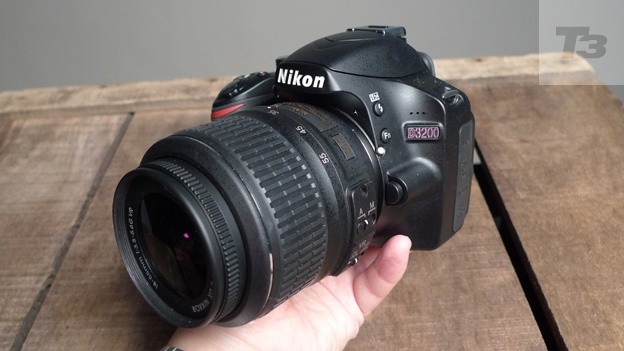
Nikon D3200 review

Nikon D3200 reviewThe Nikon D3200 is an entry-level DSLR with a friendly guide mode – ideal for fledgling shutterbugs that don’t know their aperture from their ISO.

Following on from its predecessor, the Nikon D3100, though not replacing it, the brand new Nikon D3200 has upped the ante for entry-level DSLRs, thanks to its show-stopping 24-megapixel sensor.

Going up against the likes of the Sony Alpha A65 and the Canon EOS 600D, the Nikon D3200 has got its work cut out when it comes to earning a place in ourBest Digital SLRs list.

The D3200’s lightweight chassis, which hasn’t changed much in design terms since the previous model, weighs in at just 505g (with battery and memory card) which means that it never becomes cumbersome, even after carting it around all day.

At 125 x 96 x 76.5 mm, the chassis isn’t too chunky, but still remains reassuringly sturdy and while Nikon makes no claims about waterproofing, the D3200 proved to be reasonably resilient to the elements when we tested it in the pouring rain.

The D3200 is available in conventional black or a shiny red finish, should you be so inclinded.

One of the key selling points on the new snapper is the guide mode. Enhanced since its inclusion on the D3100, this nifty feature is easily accessible via the top-mounted dial and holds your hand through the basics. Teaching you how to set up a variety of shots, it even includes examples of how the pictures should look.

For example, one of the tutorials shows you how to get the best picture of a sunset by tweaking the white balance to capture the red tones. Follow the suggestions, alter the settings and the picture will change to reflect how the finished article will look. There may be a few kinks to iron out (such as the overeager pop-up flash), but it’s a damn good starting point for newbies.

You can read the rest of the article at T3.com (originally published 17 May 2012). 

Netflix review

Netflix reviewNetflix offers unlimited online streaming of movies and TV for just £5.99 a month, but can it take on main rival Lovefilm? Find out here…

Netflix has been offering online movie streaming in the US since 1999, but it’s taken until now for the service to make its way over the pond to the UK. For £5.99 a month, you’ll get unlimited access to the Netflix library of films and TV programmes, which means that the service will be going head-to-head with the Lovefilm Instant offering, currently priced at £4.99. The gloves are off in the Netflix vs Lovefilm rumble, but how does the new kid on the block fare?

Netflix: Streaming

There’s no denying that just six quid a month will get you a sizable chunk of films and TV to choose from, although it’s worth considering how much strain it could place on your Broadband data cap. If you go above the set limit on your ISP package, you could well end up getting charged for the extra data – an important point to keep in mind if you’re planning on getting the most out of your monthly £5.99

Netflix: Devices

As well as streaming from your computer, Netflix works on pretty much all of the major platforms, including Sony PlayStation 3Nintendo WiiXbox 360,Apple iPhone and Apple iPad. There are also client for various web TVs from the likes of Samsung, along with LG Blu-ray players and LG home theatre systems, along with media streamer boxes from brands like Roku.

The fact that Netflix works on Apple TV as well as across numerous Androiddevices is also a major boon, and something that Lovefilm doesn’t currently offer (there is an Android app where you can manage your list and settings, but no streaming).

However, Lovefilm is aiming to be make its service available on as many devices as possible so it’s a reasonable assumption that we won’t have to wait too long to see streaming capability on Android devices.

The ability to stream Netflix via the iPhone app using 3G is also great news, although it probably depends on what the 3G signal is like where you live, or more likely what it’s like at your gym or on your commuting route, as we’re guessing those are the the places where most people will want to watch Netflix on their phone’s relatively tiny screen.

Buffering on both the iPad and Android tablet apps is surprisingly swift meaning that you get get stuck into watching your chosen title pretty much straight away.

Syncing between devices is a nice touch, which means that you could start watching something on your laptop, and then pick up where you left off at a later time on another device. The UI is simple to use and more or less the same across different platforms, so the whole experience is pretty much uniform, no matter what you’re gadget you’re watching on.

You can read the rest of the article on T3.com (originally published 1 February 2012).