
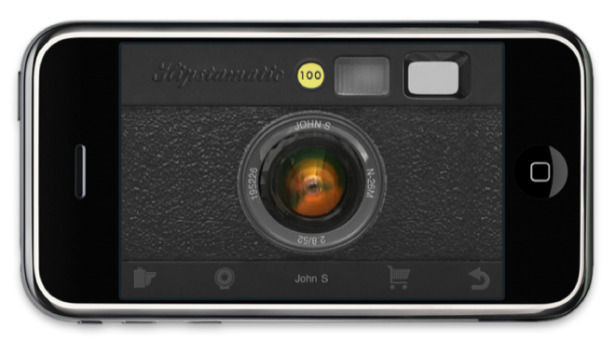
 Here’s a feature that I wrote for Pocket-lint.com on the popular Hipstamatic iPhone app. My comments on the viral marketing aspect of the app are referenced on its Wikipedia page.
Do people want photographic prints anymore? Prints are expensive, they fade and all they do is create heavy boxes to carry from home to home throughout our lives when they’re not gathering dust in the attic. Prints are old. So, does anyone care anymore?
“We do”, says Mario Estrada, community director of Hipstamatic, “they’re awesome to shuffle through. I remember being a kid and pouring through my parents shoe box of old prints and I miss that. I want that experience. I don’t want to be old and have to redirect my grandchildren to Facebook to look at my pictures”.
It’s a point that hits undeniable warm notes of nostalgia – one that’s hard to argue with when it’s the very same feeling that’s made Hipstamatic one of the most downloaded apps for iPhone – 1.4 million mobile users worldwide and counting. In the same way that cult brand Lomography is enjoying success with its analogue, film-based snappers, Hipstamatic is getting the same effect in digital form, but the latest move to introduce the HipstaMart Print Lab service – offering genuine, old-school prints made from your mobile camera shots – brings the whole ethos full circle. So, where did the idea of this low grade retro look digital camera application come from in the first place? Estrada explains:
“We heard a story about a plastic camera that once existed and we liked it”.
You can read the rest of the article here on Pocket-lint.com (originally published 16/11/10).


 Libby Plummer